 01
01The Liar
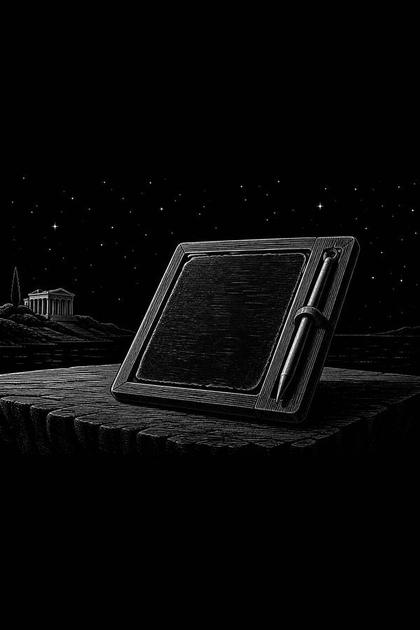
A man in Miletus writes eight words on a wax tablet and hands it to a student. The words say: this sentence is false. The student reads it once, then again, and finds he cannot put it down…
Fifty problems that have never been solved, told slowly
 01
01A man in Miletus writes eight words on a wax tablet and hands it to a student. The words say: this sentence is false. The student reads it once, then again, and finds he cannot put it down…
 02
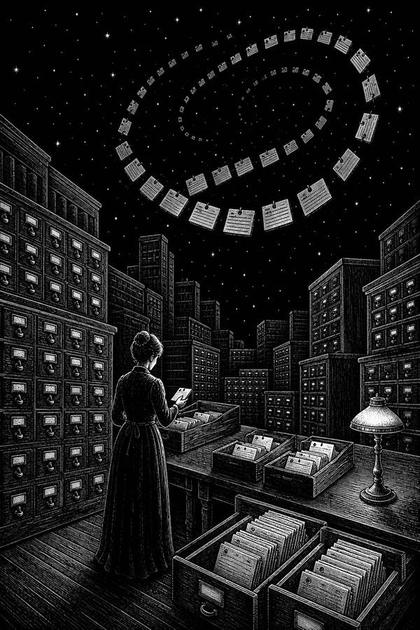
02Picture a library before computers, somewhere around the turn of the twentieth century. Card catalogues everywhere, wooden drawers, small typed slips. Most catalogues are ordinary: a…
 03
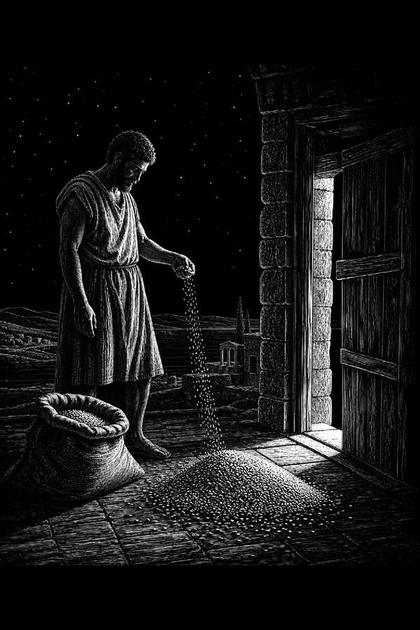
03A farmer stands beside a grain store outside Miletus, in the fourth century before our era, with a sack of wheat open at his feet. He pours one grain onto the floor. It sits there, a single…
 04
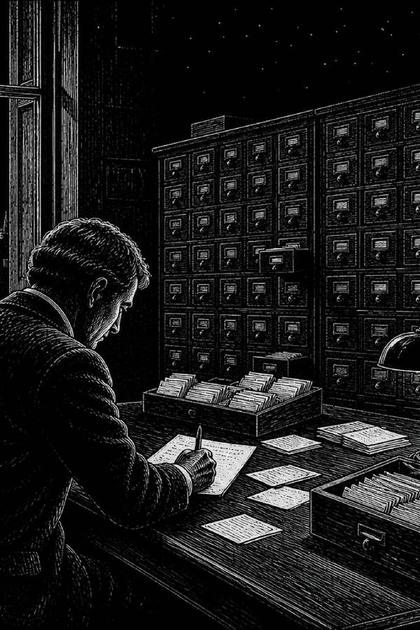
04A librarian sits at a desk in Oxford, in a room lined with card catalogues, each drawer holding slips of paper that describe books in a fixed number of words. He is not thinking about…
 05
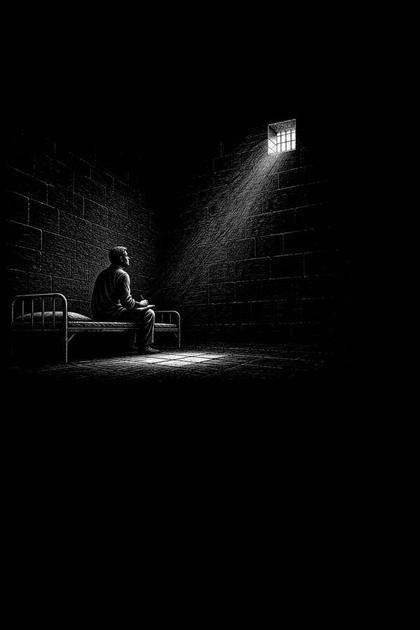
05A man sits on a metal cot in a cell with one small window set high in the wall, too high to reach. It is Sunday. A judge has just left the room, and before leaving he said something the…
 06
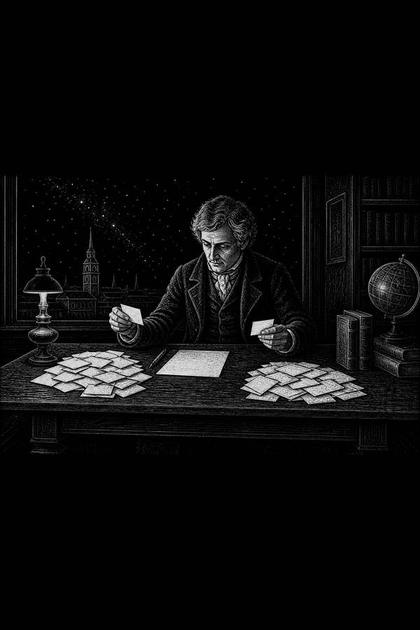
06A man sits at a desk in Göttingen with a sheet of paper and a list of adjectives. He is sorting words into two piles, the way you might sort letters into bills and everything else. On the…
 07
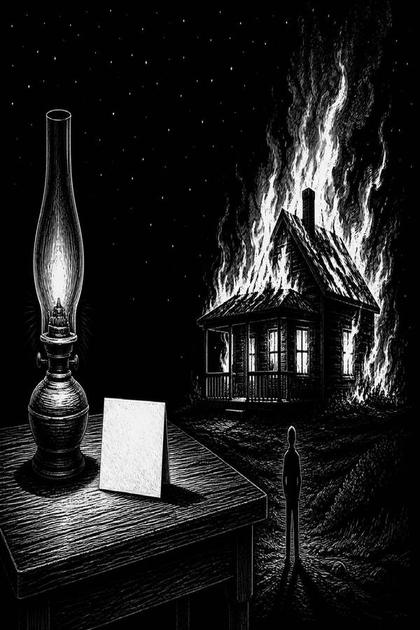
07Write a card and set it on the table by the lamp. On it, write this: "If this card is true, then the lamp will burn the whole house down." Nothing more. No claim that the house is burning.…
 08
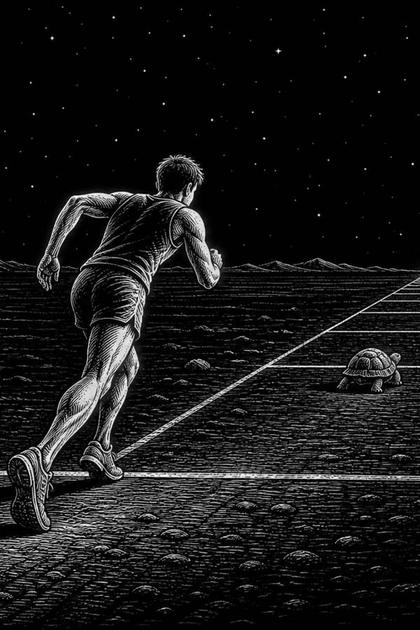
08The road outside Elea is flat and dry, the kind of dust that holds a footprint for a day if no wind comes. A man stands at a starting line. A few paces ahead of him, a tortoise sits on the…
 09
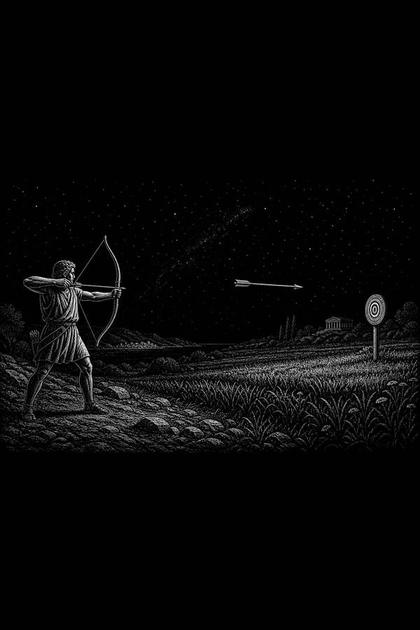
09An archer stands at the edge of a field outside Elea, in the south of Italy, and looses an arrow at a target fixed to a post. The arrow leaves the string, crosses the air, and strikes the…
 10
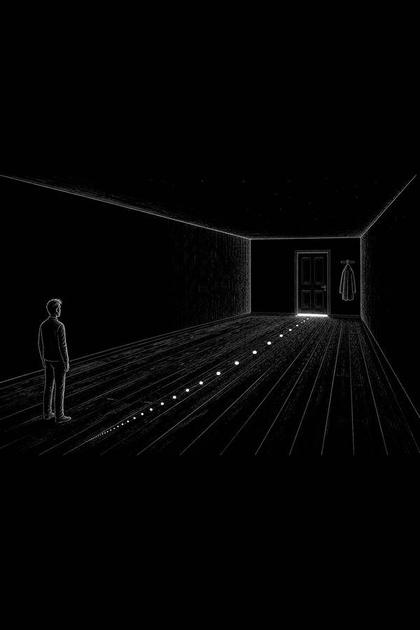
10You are standing at one end of a room. The door is at the other end, maybe six metres off, closed, with a strip of light under it from the hallway. Your coat is on a hook by that door. It…
 11
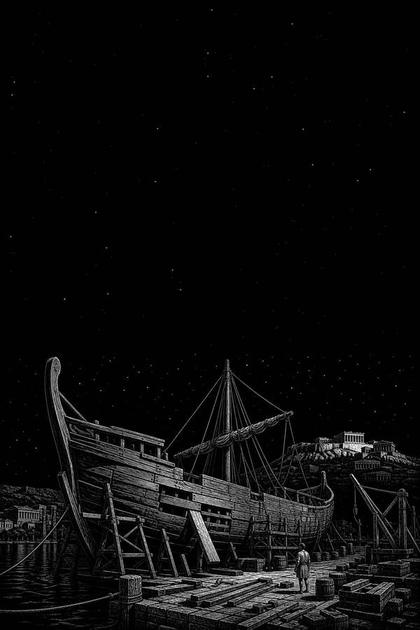
11The harbor at Athens kept an old ship at anchor for longer than anyone could remember. It had carried Theseus and the young Athenians back from Crete, or so the story went, and the city…
 12
12You are standing in a booth the size of a telephone kiosk. A technician in a grey coat asks you to remove your watch. There is a small window in the wall, chest height, the kind you might…
 13
13A man is walking through a marsh in Georgia, alone, on his way to check a fishing line he left the day before. The sky has been grey since morning. He is thinking about nothing in…
 14
14The lever is bronze, cold under your palm. It sits in a box the size of a wardrobe, wired to nothing you understand, and behind you the door of the workshop is already closed. You have…
 15
15A writer sits at a desk at three in the morning, a lamp turned low, a stack of blank paper in front of him. He is trying to finish a story and getting nowhere. There is a knock. A stranger…
 16
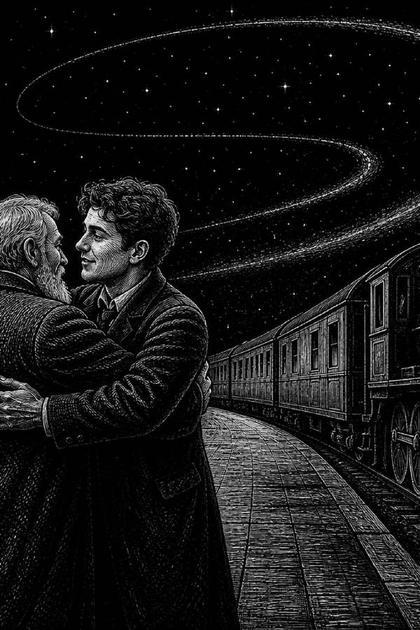
16A woman stands at a departure gate that does not exist yet in 1911, though the idea is already loose in the world. Picture instead a simpler stage: a train platform, two brothers, one…
 17
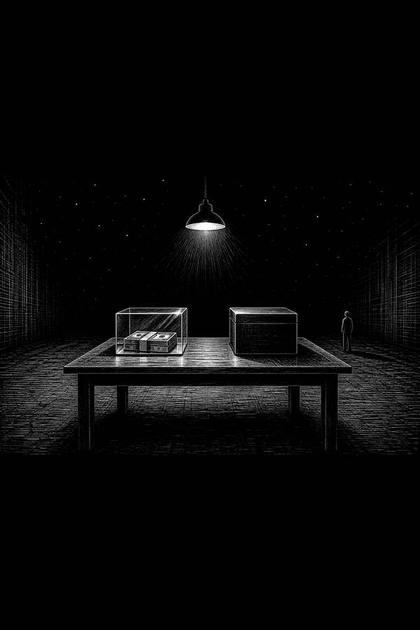
17There is a table in the room, and on the table there are two boxes. One is made of clear plastic, and through it you can see a thousand dollars, banded and ordinary. The other is opaque,…
 18
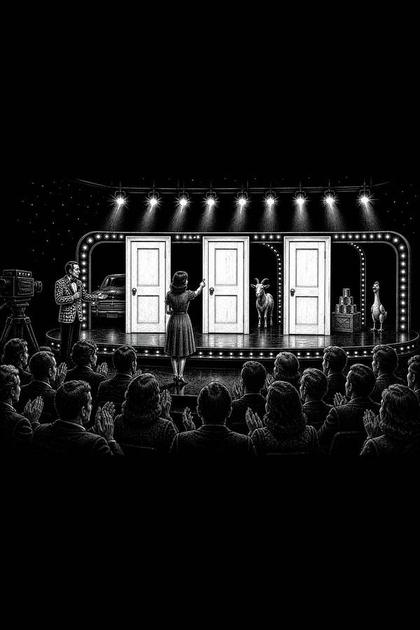
18The stage lights are warm and a little too bright, the way they always are on afternoon television. Three doors stand in a row, numbered one, two, three, each painted the same glossy white,…
 19
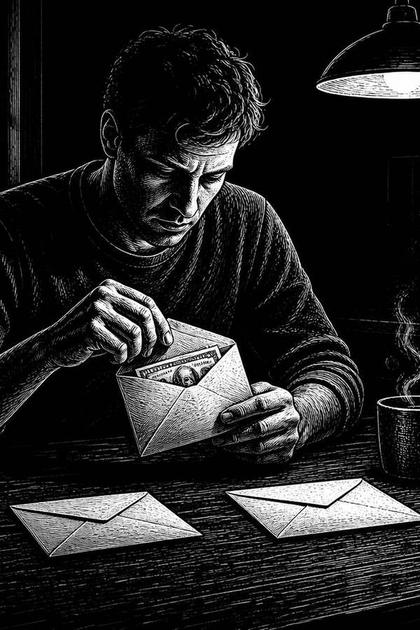
19A man sits at a kitchen table with two plain envelopes in front of him. Both are sealed, both are the same size, both feel roughly the same weight in his hand. He is told, and has no reason…
 20
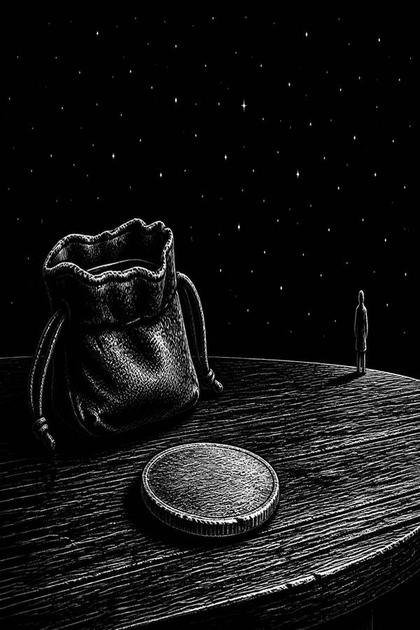
20A coin sits on a table, worn thin at the edges, the kind of coin that has passed through many hands. Beside it, a small leather purse. The rules are simple enough to say once and remember…
 21
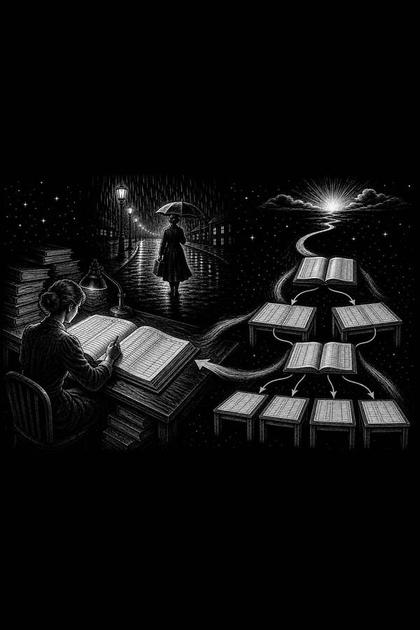
21A clerk sits at a desk in a records office, two ledgers open in front of her. One column lists patients who took a new drug and recovered. Another lists patients who took the old one. She…
 22
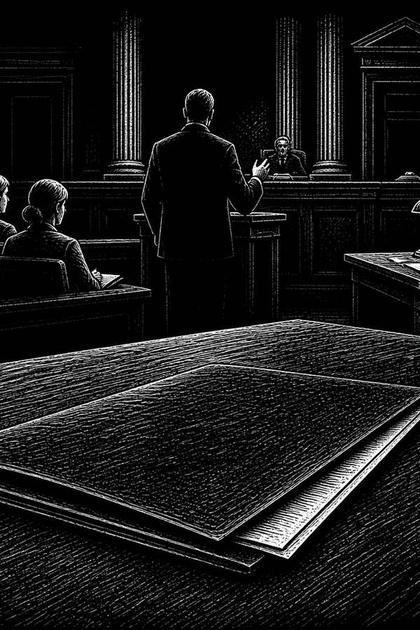
22A folder sits on a table in a courtroom, closed, with one sheet inside it that everyone in the room already knows the number on. The number is small. Somewhere around one in a million, or…
 23
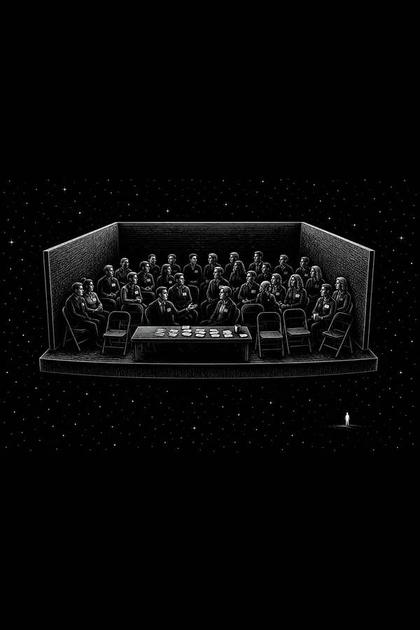
23A conference room, folding chairs, name tags still curling from the printer. Twenty three people are waiting for a session to start. Someone in the front row, killing time, suggests a…
 24
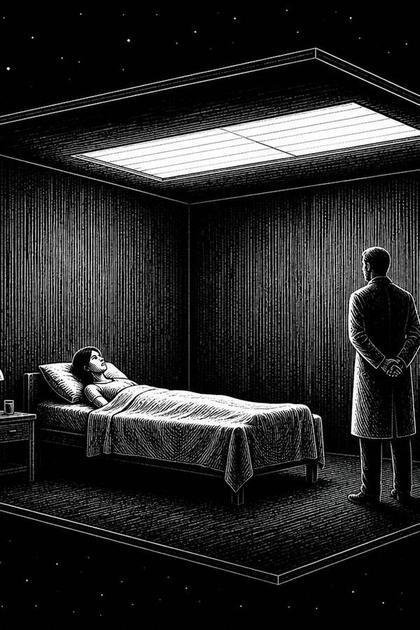
24A woman agrees to take part in an experiment. On Sunday night she is given a drug that will put her to sleep, and a coin is tossed, fair, once. She does not see the result. If the coin…
 25
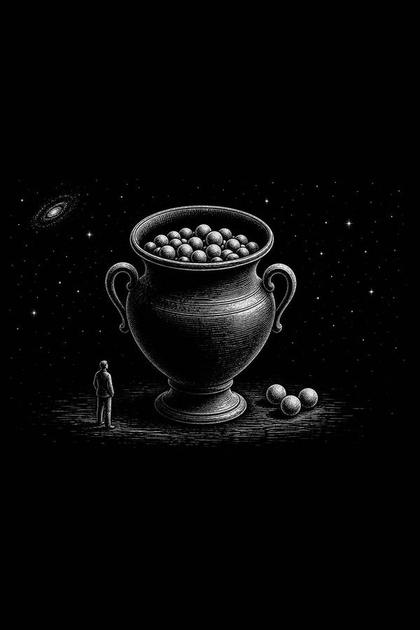
25Somewhere in Brighton, in 1983, a Cambridge cosmologist sat with a piece of arithmetic that would not leave him alone. He was not thinking about the end of the world. He was thinking about…
 26
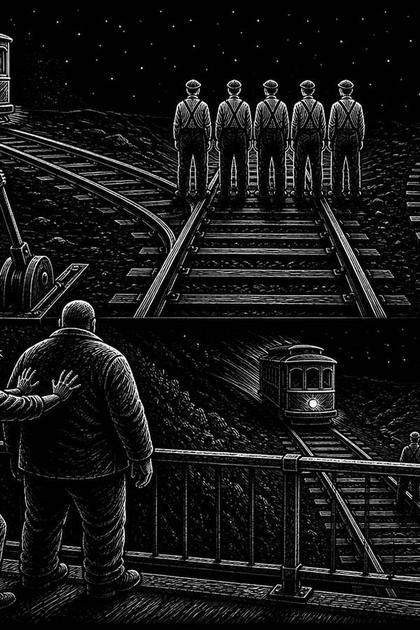
26A tram is running loose on a track. No driver, no brakes, five workers ahead who cannot hear it coming. You are standing at a lever. Pull it and the tram switches to a side track, where one…
 27
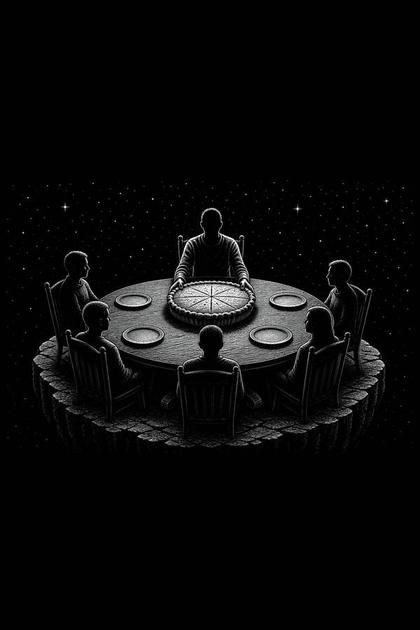
27Picture a kitchen table with one pie on it and four people sitting around it, each with an empty plate. The pie is the only thing in the house worth eating tonight. Somebody has to decide…
 28
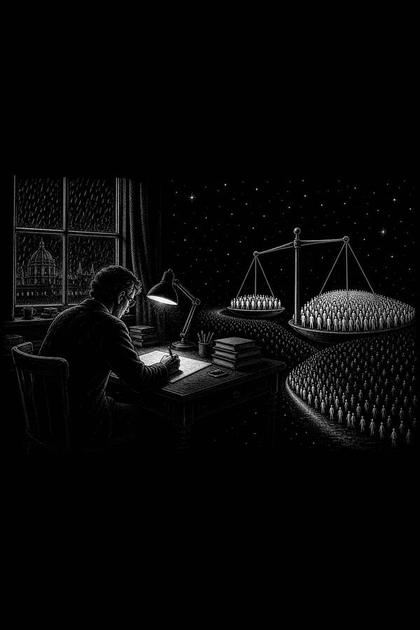
28Picture a desk in Oxford, sometime in the late 1970s, lamp on, rain against a sash window. A man is filling a page with numbers. Not money, not census returns. Happiness, or something meant…
 29
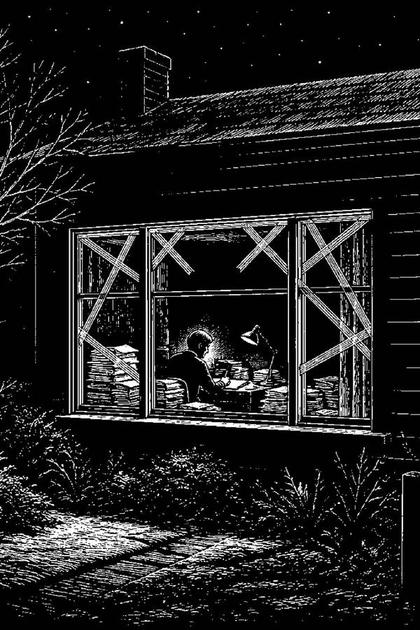
29A house in Christchurch, New Zealand, some time in the winter of 1943. The windows are taped against a war that is being fought eleven thousand miles away, on the other side of the world,…
 30
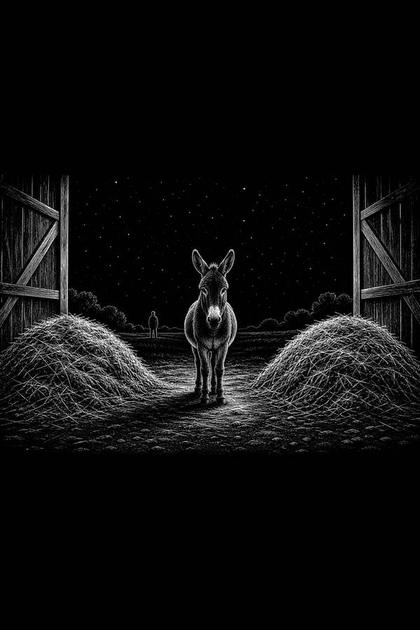
30Picture a barn at dusk, two doors open on either side, and between them, exactly between them, a donkey standing on packed dirt. To its left, a heap of hay. To its right, a heap of hay.…
 31
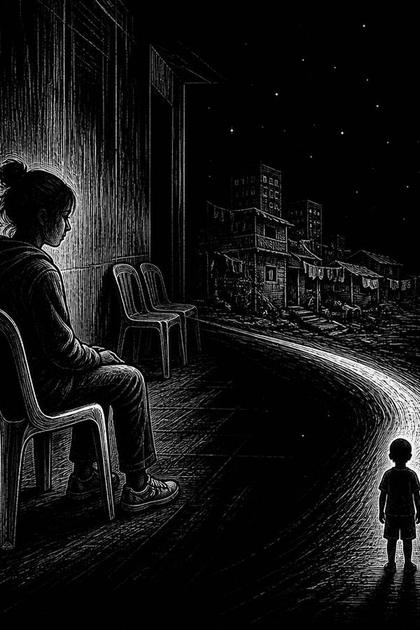
31A fourteen-year-old girl sits on a plastic chair in a clinic waiting room. On the wall there is a health leaflet about waiting until you are older. She is deciding whether to have the child…
 32
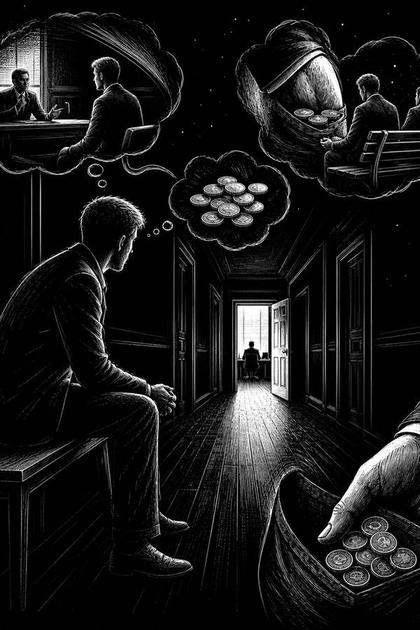
32Smith is sitting in a hallway, waiting to hear about a job. He has good reason to believe two things. First, that Jones will get the position, because the man who runs the company told him…
 33
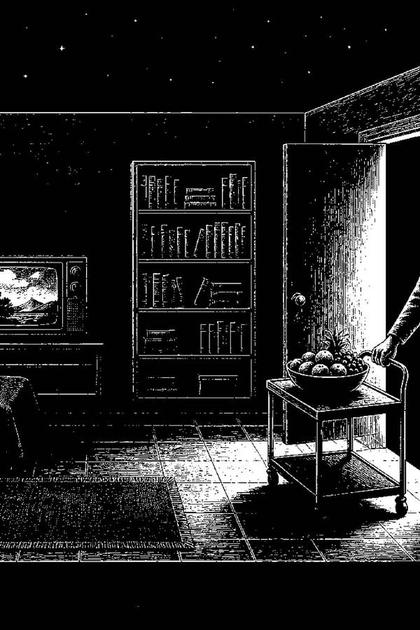
33The room has no color in it. The walls are white, but not white the way you'd say a wedding dress is white. They are painted in shades of grey, floor to ceiling, so that everything in the…
 34
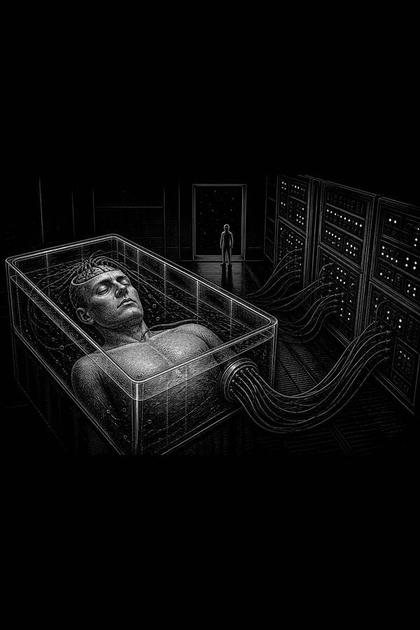
34The room is small and kept at body temperature. A body lies in a tank of clear fluid, eyes closed, skull open at the crown, wires running out through a sealed port to a bank of machines…
 35
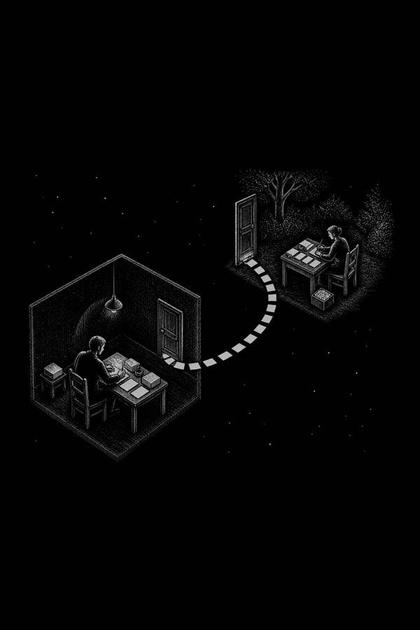
35A man sits at a table in a small room with no windows. Under the door, slips of paper arrive, covered in Chinese characters. He does not read Chinese. He has never read Chinese. But he has…
 36
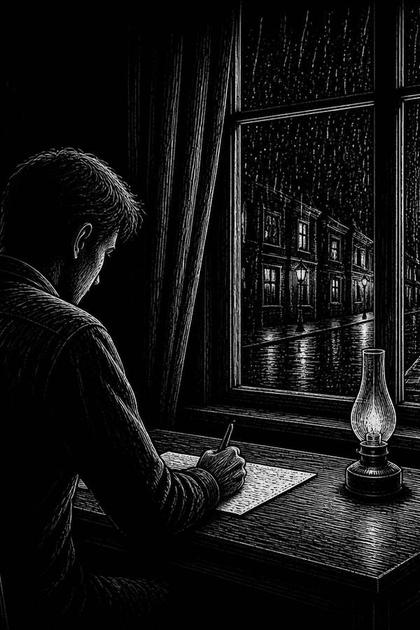
36A man sits at a small table with a lamp turned low. Outside the window, rain is falling on a quiet street, and he can hear it against the glass. He has a pen in his hand and a plain sheet…
 37
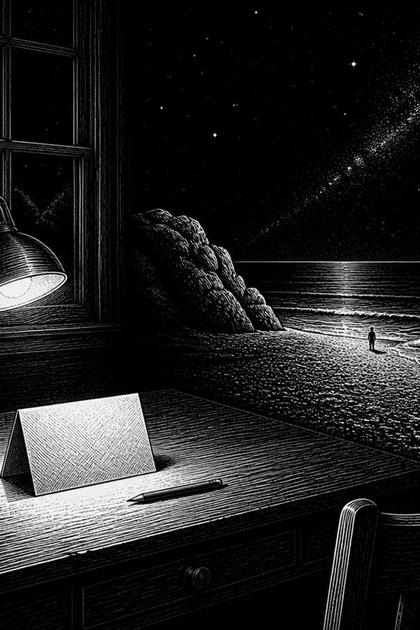
37Picture a small study after midnight, one lamp lit, a card on the desk. Someone has written a single sentence on it in pencil: every truth can, in principle, be known. It looks harmless. It…
 38
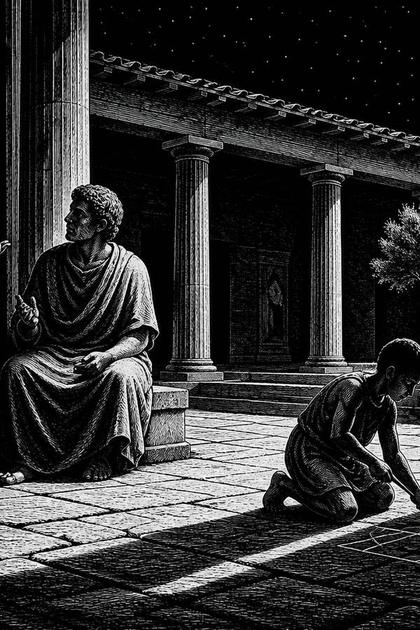
38There is a courtyard in Athens, sometime in the middle of the fifth century before Christ, though the story about it was written later. Dust on stone. A wax tablet, softened by the sun,…
 39
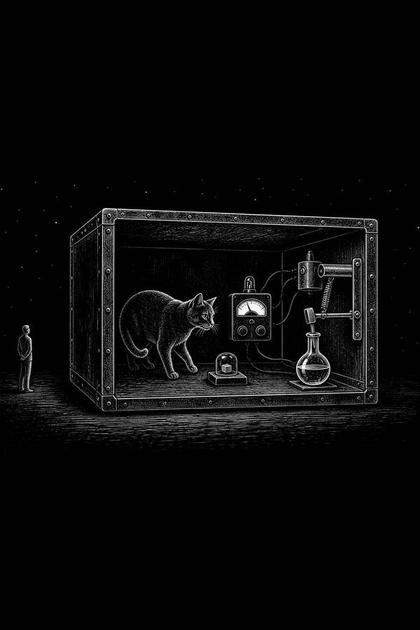
39The box is steel, sealed, no window. Inside it: a small amount of a radioactive substance, so little that in one hour there is exactly an even chance that one atom of it will decay. Beside…
 40
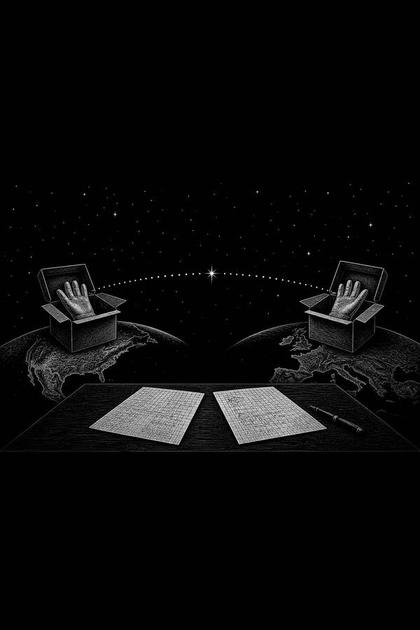
40A physicist in Princeton, in the spring of 1935, sits at a desk with two sheets of calculation paper and a problem he cannot make go away. He is not thinking about distant stars or particle…
 41
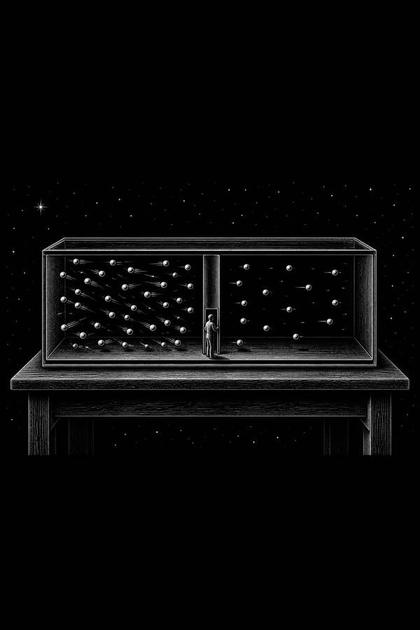
41Picture a box, sealed, resting on a table in a cold room. A thin wall runs down its middle, and in that wall there is a single door, small enough for one molecule to pass through at a time.…
 42
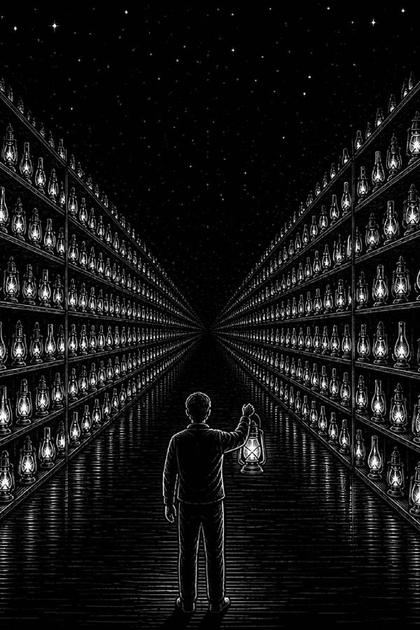
42Stand at a window on a clear night, away from any city glow, and look up. The stars are scattered like grain thrown on dark cloth, and between them there is black. Ordinary enough. You have…
 43
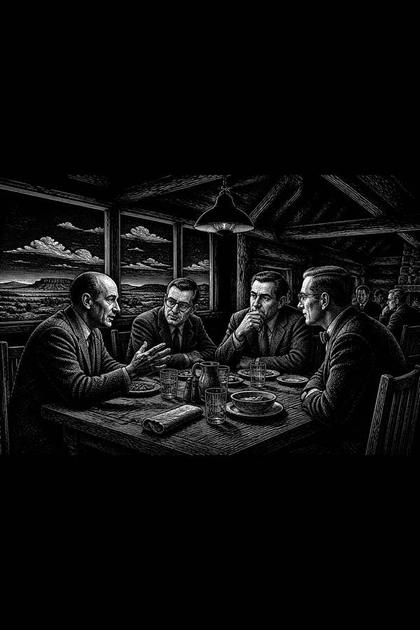
43Los Alamos, summer 1950. The desert heat had not yet let go of the day. Four physicists walked to lunch at the Fuller Lodge, the log building where scientists on the mesa had eaten together…
 44
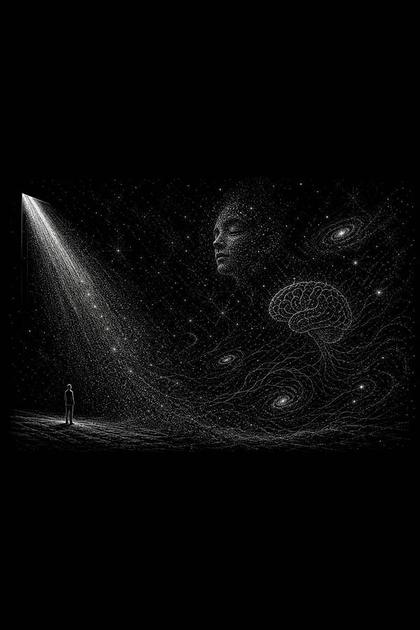
44Picture a room with the curtains drawn and a single beam of light coming through a gap, thick with dust. Watch the motes long enough and you will see them drift, collide, spin. Left alone…
 45
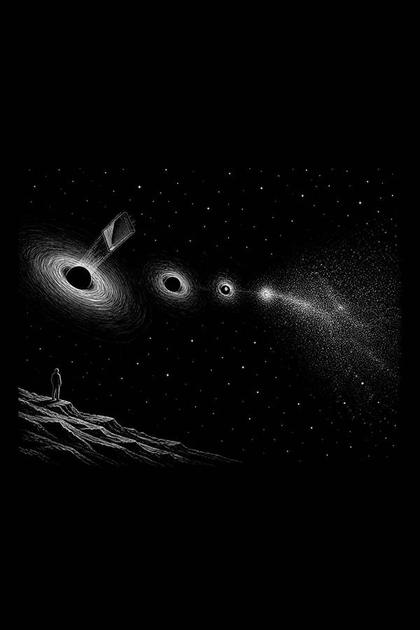
45A book falls toward the horizon. Say it is a real book, leather cover, pages gone soft at the corners, the kind of object that holds a particular smell of dust and glue. Someone drops it…
 46
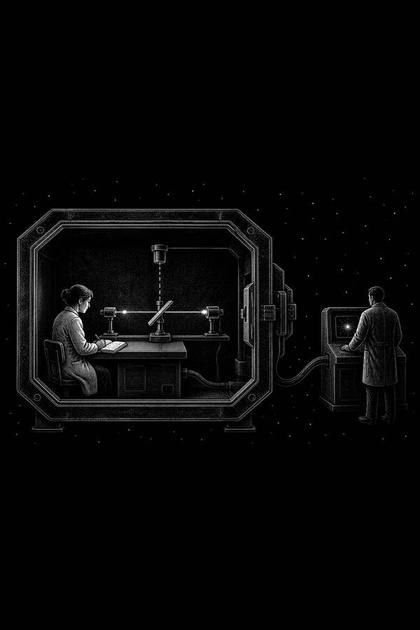
46The room has no windows. Inside it, a woman in a white coat watches a single photon pass through a half silvered mirror and land on a detector. The detector clicks, or it does not. She…
 47
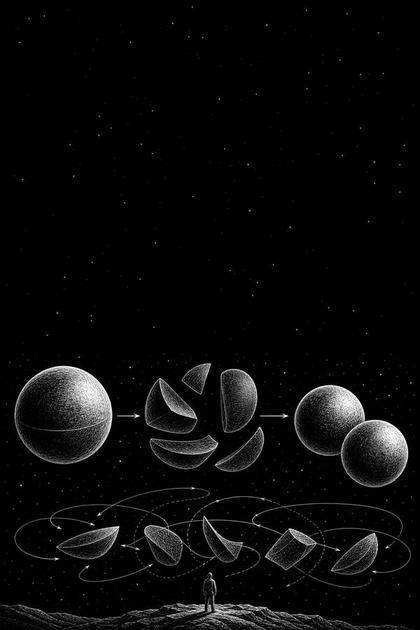
47Take an orange. Not to eat, just to hold. Turn it over in your hand, feel the weight of it, the give of the skin under your thumb. Now imagine that weight is not fixed. Imagine you could…
 48
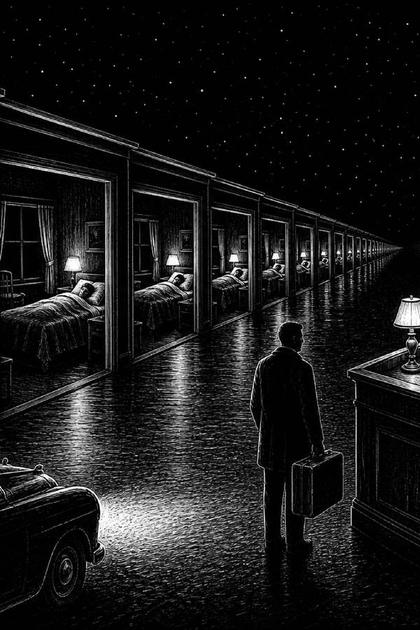
48The building has no top floor and no back wall. Walk the corridor far enough and you never reach a place where the numbers stop. Every room has a bed, a lamp, a chair by the window, and a…
 49
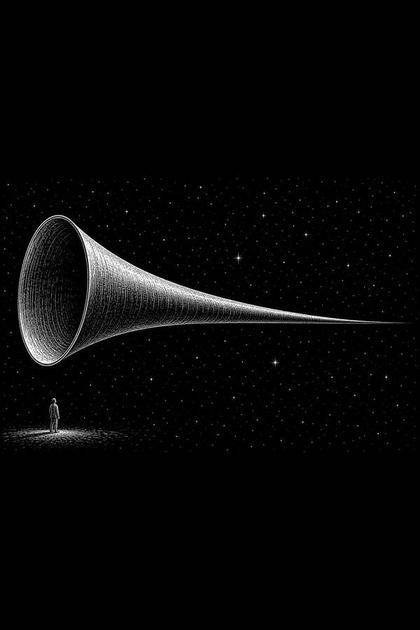
49A glassblower in Florence, working at his bench, could turn a tube of glass and let it narrow as it spun, thinner and thinner, drawn out toward a point it would never quite reach. The tube…
 50
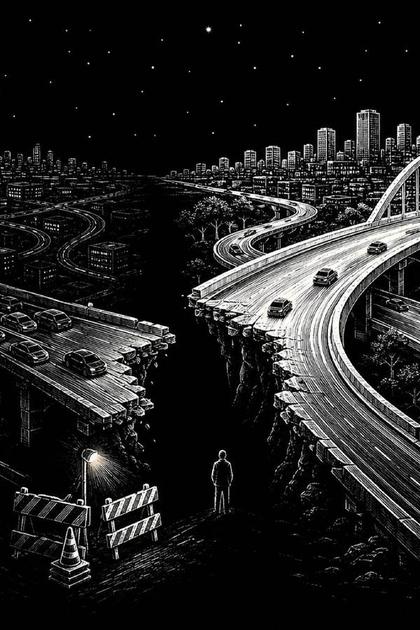
50Picture a city crew closing a street overnight. Orange barricades go up at both ends, a single lamp burns over a stack of cones, and by morning the detour signs are bolted to their posts.…
A man in Miletus writes eight words on a wax tablet and hands it to a student. The words say: this sentence is false. The student reads it once, then again, and finds he cannot put it down in his mind the way he can put down a tablet in his hand. If the sentence is true, then what it says is so, and what it says is that it is false. So it is false. But if it is false, then what it says fails to hold, and what it says is that it is false, so it is not false. It is true. The student is not confused about the words. He understands every one of them. He is stuck on what they do.
There is no crime scene here, no locked room, no falling body. Just a sentence, sitting on a tablet or a page or, later, a screen, doing nothing but pointing at itself and calling itself a liar. The room around it does not matter. It could be a lecture hall in Ionia or a kitchen table centuries later with the tablet replaced by a napkin. The sentence works the same way in the dark as it does at noon.
Here is the bite of it, stated as plainly as it can be stated. Take the sentence "this sentence is false." Suppose it is true. Then things are as it says, so it is false. Suppose instead it is false. Then things are not as it says, but what it says is that it is false, so that is exactly how things are. It is true. Either assumption forces its opposite. The sentence will not sit still long enough to be one thing. You can say it out loud to a friend tomorrow in one breath: a sentence that says of itself that it is false cannot be true and cannot be false, and yet it seems it must be one or the other.
The attribution that gets repeated most often is wrong, or at least loose. Many people, if they know the paradox at all, know it as the Cretan's puzzle: Epimenides of Crete, said to have declared that all Cretans are liars, himself being a Cretan. That version is older and it does have a bite, but not quite this one. If Epimenides says all Cretans always lie, and he is a Cretan, the worst that follows is that not every Cretan statement is false, that at least one Cretan sometime tells the truth, which not so paradoxical once you accept that "all" needn't mean "always, every single one." The Cretan version can be defused by noticing it makes a general claim about a group rather than a direct claim about itself. It has an escape hatch. The sentence "this sentence is false" has no such hatch. It refers to nothing but itself, and it does not generalise, it points.
The credit for that sharper form belongs to Eubulides of Miletus, a philosopher of the fourth century BC, a member of the Megarian school, and by most accounts a rival of Aristotle, fond of posing exactly this kind of puzzle to unsettle confident talkers. What he was doing, as far as the record shows, was not building a formal system or worrying about the foundations of logic in the way a modern reader might expect. He was doing what philosophers of his circle did: testing the edges of ordinary language and ordinary claims to truth, seeing where the seams show. The Liar was one of several such puzzles he is credited with, alongside riddles about heaps and horns, each one a small mechanism built to jam on its own materials. He almost certainly did not think he was opening a problem that would still be open twenty four centuries later. He was likely enjoying an afternoon of making someone else's certainty wobble.
The wobble did not go away. It slept, mostly, through the long middle centuries, resurfacing here and there in medieval logic under names like the "insolubilia," problems that resisted solution by the tools at hand. It woke up fully in the twentieth century, when logicians building rigorous foundations for mathematics found that the Liar was not a charming ancient joke but a real fault line running through any language powerful enough to talk about its own sentences.
The Midnight Paradoxes · PDF + EPUB — €13.99
Total price. No VAT is charged (small-business scheme under
§ 19 UStG).
Imprint · Privacy · Right of withdrawal